
Editing
Sep 12, 2026
Californio Chocolate
Rediscovering the Roots of Chocolate
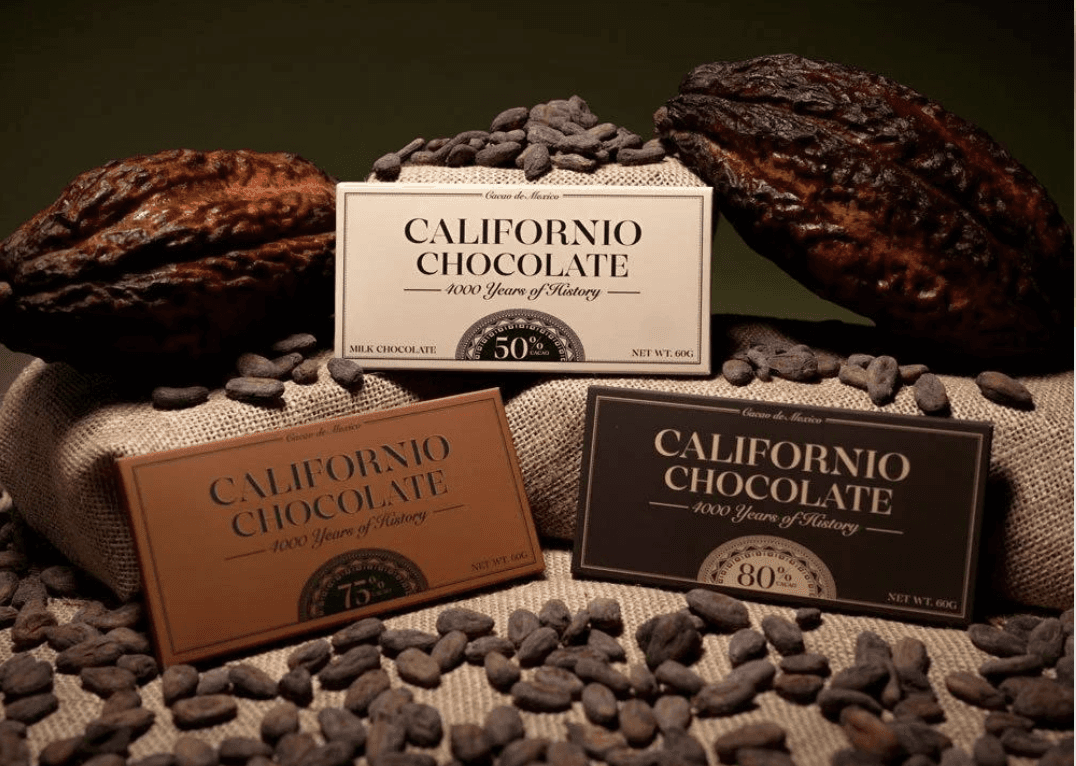
What began as an unexpected fascination with chocolate's forgotten history became Eduardo Ponce's mission to reconnect a beloved global product with the Mexican communities and traditions that helped shape it.
For most people, chocolate is a familiar indulgence. It is something we buy at grocery stores, give as gifts, and associate with the world's most recognizable confectionery brands. But behind every chocolate bar lies a history that stretches thousands of years into the past, long before the emergence of modern European chocolate makers.
For Eduardo Ponce, founder of Californio Chocolate, discovering this overlooked history became the beginning of an entrepreneurial journey.
Ironically, that journey started when Ponce was forced to stop moving.
After herniating three discs in his back during a trip to Yosemite, Ponce spent two months recovering in bed. With time to think and explore his curiosities, he began asking questions about one of the world's most familiar foods: Where did chocolate originate? How was it first made? Why had it become so culturally significant?
His research introduced him to a history that surprised him. Although he had grown up associating chocolate with Europe, its deeper origins lay in the Americas, where Indigenous civilizations cultivated cacao and developed traditions around its preparation and consumption centuries before Europeans encountered it.
That revelation would eventually inspire something much greater than a newfound appreciation for chocolate. Over the following five years, Ponce transformed his curiosity into a passion for chocolate making, ultimately establishing Californio Chocolate and opening a dedicated storefront in Long Beach in 2026.
What began with a question had become a business built around answering it.
A History Worth Reclaiming
To understand Californio Chocolate's mission, one must first understand the historical significance of cacao.
Long before chocolate became a mass-produced sweet, cacao held important cultural, social, and economic roles across Mesoamerica. Indigenous communities prepared cacao-based beverages, incorporated cacao into ceremonies, and, in some societies, used cacao beans as a medium of exchange.
As cacao traveled across the Atlantic following European colonization, its preparation and reputation changed. European producers increasingly transformed the bitter, complex ingredient into a sweetened luxury product that would eventually become a global commodity.
Over time, the names and reputations of major chocolate manufacturers became widely recognizable, while the Indigenous agricultural knowledge and cultural traditions behind cacao received comparatively little attention.
This imbalance caught Ponce's attention.
He recognized that chocolate's popularity did not necessarily translate into recognition for the communities whose histories were intertwined with its origins. His discovery became the foundation of Californio Chocolate: a business that would not simply sell chocolate but encourage customers to reconsider what they knew about it.
Rather than distancing his products from their origins, Ponce sought to make those origins central to the experience.
It was an entrepreneurial decision rooted in cultural preservation. While many businesses differentiate themselves through novelty, Californio Chocolate draws its identity from something far older: the agricultural traditions, regional diversity, and cultural significance of Mexican cacao.
Building a Business Around Its Source
Turning a historical passion into a sustainable business required more than a compelling story. Ponce needed ingredients, suppliers, technical knowledge, and a production process that reflected the values he wanted his company to represent.
A defining part of Californio Chocolate's approach is its relationship with Mexican cacao producers.
Through its partnership with Revival Cacao, the company sources cacao connected to growing regions in southern Mexico, including Chiapas. These regions have longstanding agricultural traditions and are known for producing cacao with distinctive characteristics.
Californio Chocolate emphasizes direct trade, traceability, and the preservation of heirloom cacao varieties. Its partnership seeks to support producers who retain traditional cultivation, fermentation, and processing practices.
This approach reflects a central principle: understanding where a product comes from means recognizing the people who make its existence possible.
For smaller producers, the global chocolate industry presents significant challenges. Much of the international value associated with chocolate is generated through processing, branding, and retail, frequently far removed from the farms where cacao is grown.
By bringing Mexican cacao to the forefront of its branding and customer experience, Californio Chocolate takes a different approach. The company identifies the origins of its ingredients and educates customers about the agricultural communities behind them.
Ponce's entrepreneurial vision therefore extends beyond producing a premium chocolate bar. He is helping make the product's cultural and agricultural history part of what customers value.
From Bean to Bar
At Californio Chocolate, production itself is an essential part of the story.
Unlike businesses that purchase finished chocolate and reshape it into new products, Californio takes a bean-to-bar approach. Its cacao is fermented and dried before reaching the company, where the beans undergo roasting and additional processing.
The cacao is then transformed through several careful stages, including shell removal, grinding, tempering, and molding.
The complete process, beginning with the harvested beans, can take approximately a month.
This hands-on production is reflected in the company's selection of chocolates, which includes bars featuring different cacao percentages and flavors such as vanilla, espresso, and jamaica, or hibiscus.
Importantly, the different products offer customers opportunities to experience the natural variations in Mexican cacao.
Beans from Chiapas, for example, can create a different flavor profile from those grown in Tabasco. Factors such as local climate, elevation, and surrounding vegetation influence the finished chocolate's character.
Instead of masking these differences, Californio Chocolate highlights them.
It is an approach that treats chocolate not merely as a standardized sweet but as an agricultural product shaped by geography, craftsmanship, and tradition.
Opening the Doors in Long Beach
In August 2026, Californio Chocolate reached a major milestone with the opening of its brick-and-mortar shop at 3708 East Anaheim Street in Long Beach.
For Ponce, the storefront represented an opportunity to bring years of research, experimentation, and preparation into one physical space.
The shop was designed to make the history and craft of chocolate accessible to customers. Murals depicting the Mexican cacao-producing regions of Chiapas and Tabasco help connect each product to its geographical roots.
Visitors can sample different chocolates, explore regional flavor differences, and observe parts of the chocolate-making process through a viewing window.
The store also offers specialty drinks and chocolate treats, providing customers with multiple ways to experience cacao.
These details transform a conventional retail transaction into an educational experience. Customers are invited to understand how their chocolate was produced and why its origins matter.
The opening also demonstrates how far Ponce's initial curiosity has developed: from researching chocolate while recovering from an injury to creating a physical business with employees, products, and a distinctive identity.
His accomplishment is not simply the establishment of another chocolate shop. It is the creation of a platform through which a broader community can encounter a frequently overlooked cultural history.
Entrepreneurship as Cultural Preservation
Californio Chocolate offers a valuable example of how entrepreneurship can serve purposes beyond commercial growth.
In immigrant and multicultural communities, businesses often become important spaces for sharing traditions, preserving connections, and introducing cultural experiences to broader audiences.
Cultural knowledge can also become a source of entrepreneurial differentiation. Products grounded in a particular heritage carry stories, expertise, and perspectives that larger competitors may struggle to reproduce authentically.
Ponce's work demonstrates how understanding a product's origins can fundamentally change the way it is presented.
By foregrounding Mexican cacao, Californio Chocolate challenges customers to think about whose histories become visible in the products they consume.
Its mission also connects producers across borders with consumers in Southern California, creating opportunities for cultural exchange through an everyday experience.
For aspiring entrepreneurs from immigrant families and underrepresented communities, this approach illustrates how heritage can become an asset rather than something that must be set aside to enter the mainstream marketplace.
More Than Chocolate
Today, Californio Chocolate stands as the result of one entrepreneur's determination to turn curiosity into something tangible.
The business has moved from an idea into a storefront, developed relationships with Mexican cacao suppliers, and built a product collection that celebrates the complexity of chocolate's origins.
Its future growth will depend on the same challenges confronting countless small businesses: attracting customers, maintaining product quality, sustaining operations, and building recognition in a competitive market.
But Californio Chocolate already possesses something that cannot easily be manufactured: a purpose closely connected to the identity of its products.
For Ponce, chocolate offers a way to tell stories about agriculture, history, culture, and the people whose contributions deserve recognition.
And perhaps that is what makes his entrepreneurial journey especially meaningful.
The history of chocolate was always there, hidden beneath the packaging of something familiar. It took an unexpected period of recovery, years of learning, and the willingness to build a business for Ponce to bring that story to a wider audience.
With Californio Chocolate, every bar becomes an invitation to look beyond the finished product and recognize the generations of people, knowledge, and tradition that helped create it.
Discover Californio Chocolate: californiochocolate.com


